Restoring and polishing stainless steel (rails, pulpits)
Removing rust bloom, polishing and passivating stainless steel on rails, pulpits and fittings.
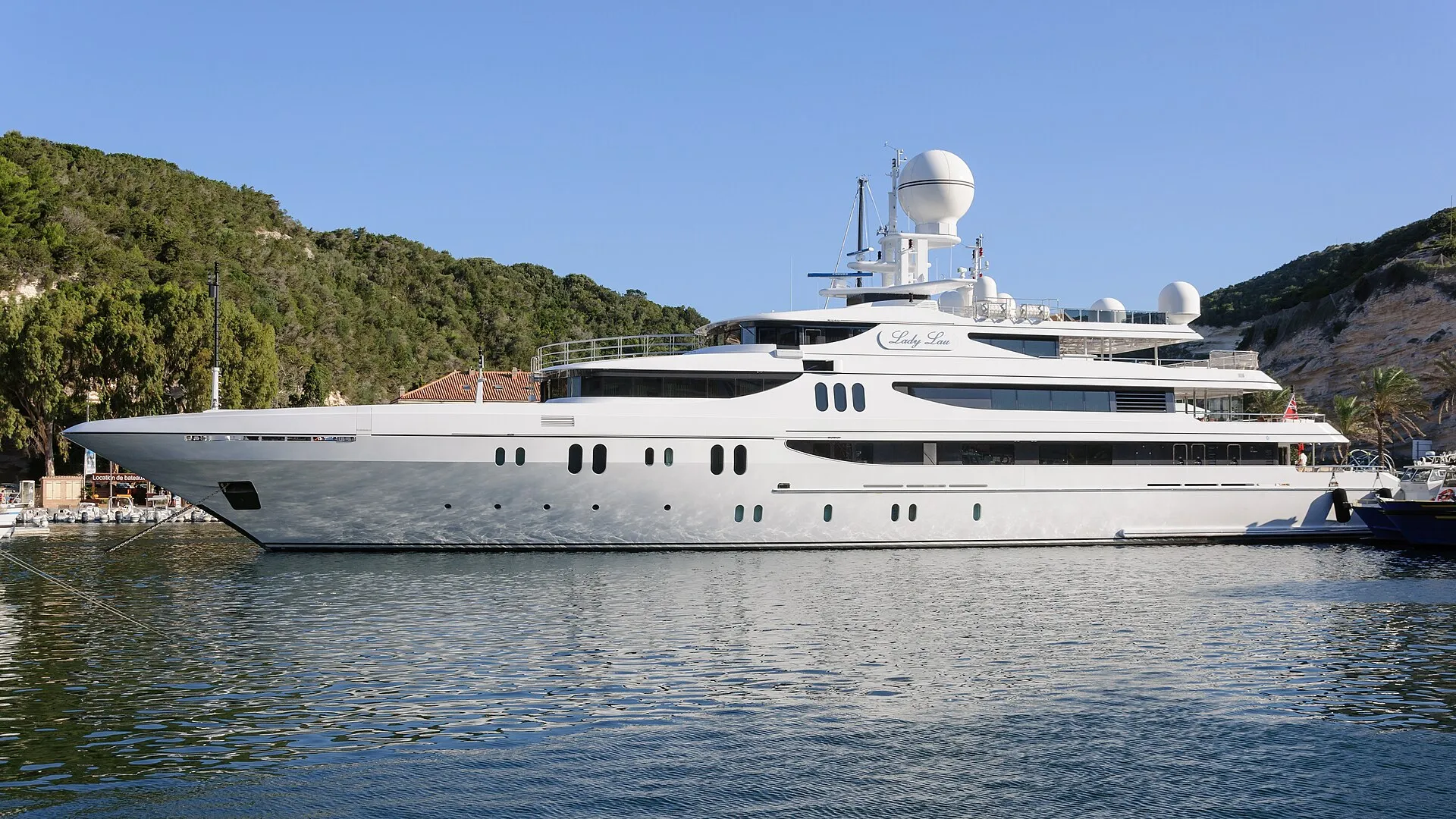
Stainless steel on a yacht is not fully corrosion-proof — in salt water rust staining (so-called tea staining) and pitting appear on the surface. This comes from damage to the natural passive layer of chromium oxide and from iron particles settling from the surroundings. Regular care restores the shine and, more importantly, protects the metal from deeper corrosion. The best results come from combining cleaning, polishing and passivation.
Light staining and rust marks are removed with products made for stainless steel or with mild acid-based ones (citric or oxalic acid). Avoid steel brushes and steel wool, which leave iron particles that start to rust themselves and accelerate corrosion — use only tools meant for stainless steel, or polishing compounds. Once the staining is gone, rinse the surface with fresh water and dry it. Badly rusted spots may need several passes.
Polishing restores the mirror shine and smooths the micro-pores where dirt and salt collect. Use metal polishing compounds applied by hand or with a polisher and a soft wheel or felt, working from a coarser to a finer grade. For deeper scratches, start with gentle wet sanding using fine paper, smoothing the surface gradually. The smoother the surface, the more slowly dirt settles on it and the harder it is for corrosion to develop.
After cleaning and polishing it is worth passivating — restoring the protective layer. Citric-acid based passivating products are used for this; they remove free iron from the surface and strengthen the chromium oxide layer. Amateurs often skip this step, yet it is key to how long the result lasts. Professional workshops use passivating baths, but there are also products that go on as a gel.
Finally, apply a protective layer — a metal wax or a special protective product that forms a barrier against salt and moisture. Renew the protection periodically, especially at the end of the season and before laying up. Rinsing stanchions and pulpits with fresh water after every trip to sea is the simplest and cheapest way to limit staining. A few minutes of care after each trip saves hours of polishing once a season.
It is worth telling the problems apart: surface staining is cosmetic and easy to remove, but deep pitting, cracks or corrosion around welds and joints with aluminium can indicate crevice or galvanic corrosion. Look at such spots carefully, because they involve structural parts such as pulpits, stemhead fittings or shroud attachments. If a fitting is weakened by corrosion, cleaning is not enough — the part has to be assessed for replacement. Safety matters more than looks.
Safety: when sanding and polishing, wear safety glasses, gloves and a dust mask, because metal and compound dust is harmful. Use acid-based products in gloves, protecting your eyes and avoiding skin contact; protect the gelcoat and aluminium too, which acids can damage. Hold the polisher firmly and watch that the wheel does not catch on edges. Afterwards, wash off any chemical residue with fresh water and dispose of used materials properly.
Material prices — products and options
Indicative prices in EUR (incl. VAT), as of July 2026. Products widely available in Europe; prices depend on the shop, the pack size and consumption. The links lead to example shops that ship across the EU. Dollar amounts are converted at 1 EUR = 1.1622 USD (ECB, 7 September 2026) and rounded — treat them as a rough guide, not a price in a US shop. Imperial values in brackets are conversions of the metric figure.
Removing rust and staining from stainless steel
- Star brite — Rust Stain Remover
removes rust staining without scrubbing, safe for GRP and paint€18–25 (≈$21–29) - Autosol — Rust Remover
restores corrosion resistance to steel attacked by salt€10–20 (≈$12–23)
Passivation
- Nautic Clean — passivating gel no. 14
removes rust and passivates stainless steel/aluminium/chrome in one step€15–22 (≈$17–26) - CitriSurf — citric acid passivation
rebuilds the passive layer, an eco-friendly alternative to nitric acid€20–45 (≈$23–52)
Metal polishing compounds
- Autosol — Metal / Stainless Steel Polish 75 ml (3 fl oz)
all-purpose paste for stainless steel, chrome and brass€5–12 (≈$6–14) - Yachticon — stainless steel polish
cleans, polishes and protects with wax, 0.25 l (0.1 US gal)€10–18 (≈$12–21) - PFERD — polishing compound for felt wheels
machine polishing stainless steel to a mirror finish€8–20 (≈$9–23)
All-in-one protective polish
- Star brite — Chrome & Stainless Polish
cleans, polishes and protects against pitting and rust, 237 ml (8 fl oz)€15–25 (≈$17–29) - Autosol — Marine Metal Polish
marine version, polishes and leaves a protective film€10–20 (≈$12–23)
Polisher, wheels and abrasive paper
- Polisher + felt / cotton wheels
machine polishing of stanchions and fittings€60–200 (≈$70–232) - Wet sanding paper 400–2000
for removing scratches before polishing€8–20 (≈$9–23)
Protection and finishing
- Microfibre cloths (not steel wool!)
for wiping off the compound and the final shine€8–20 (≈$9–23) - Gloves, goggles, dust mask
protection during machine polishing€10–30 (≈$12–35)
Price sources: svb24.com, compass24.com, the makers' sites (Autosol, Star brite, Yachticon, PFERD). Prices depend on the pack size and the shop.