Repairing and replacing tanks (fuel, water, waste)
Diagnosing, repairing and replacing fuel, fresh water and holding tanks together with their plumbing and venting.
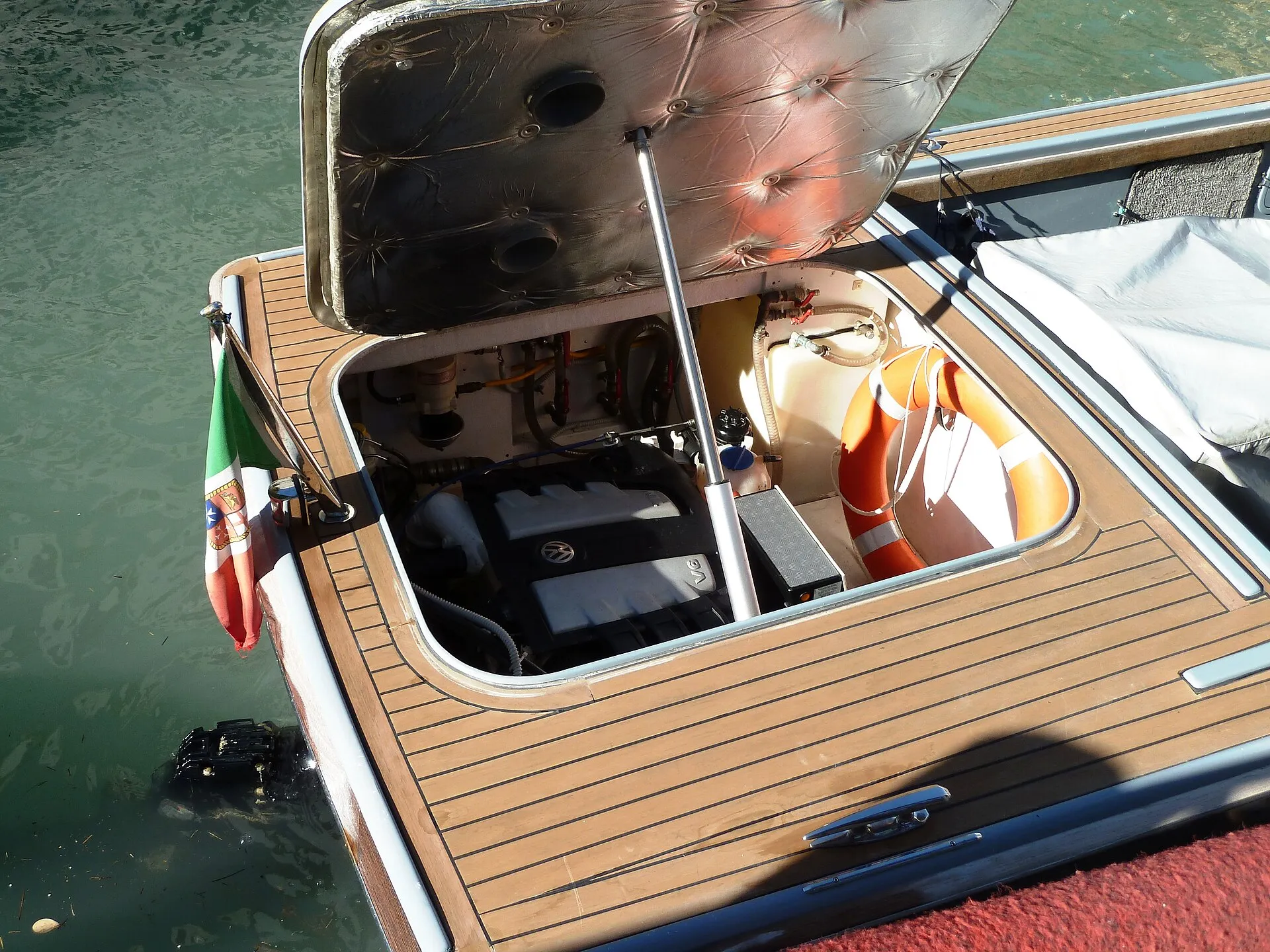
Tanks on a yacht work in hard conditions: vibration, movement of the hull, condensation and aggressive media slowly destroy them. The most common problems are corrosion of steel and aluminium tanks (especially underneath, where water collects), cracking of plastic tanks and leaking connections and hoses. Diagnosis starts with establishing what is leaking and from where — a fuel or sewage leak is both a technical problem and a serious hazard. Removing the old tank is often the hardest stage of the whole job.
The material of the new tank is matched to the medium. For drinking water and sewage the best choice is polyethylene (PE), chemically resistant and neutral in taste; for fuel, aluminium of the right grade or special plastics are used, and some applications require steel. It is important that the plastic used for sewage resists odour diffusion — cheap tanks can let the smell through. The tank should have the right approvals (for example for contact with drinking water) and be resistant to the medium and the temperature.
Small repairs are possible but limited. Cracks in polyethylene tanks are welded by extrusion with PE, which needs equipment and practice, and adhesives rarely give a lasting result on PE. Aluminium tanks can be welded, but corrosion usually affects the whole bottom wall, so a repair is often not worth it. Fuel tanks are NEVER welded without complete cleaning and degassing — the vapours are an explosion risk. In practice an old, corroded tank is best replaced.
When the original tank is not available, a tank is made to measure — from PE (rotomoulded or welded from sheet) or from aluminium welded by a specialist workshop. When designing it, allow for baffles to limit sloshing, the right position for the pick-up, the return and the vent, and access for inspection. The tank is mounted flexibly, supported across the whole bottom, so that vibration does not cause cracks. The securing strap must not chafe the wall — use packing pieces.
The system around the tank matters as much as the tank itself. Hoses are chosen to suit the medium (fuel hoses resistant to diesel, sanitation hoses resistant to odour diffusion, water hoses approved for drinking water) and secured with stainless clamps. The vent has to be clear and routed so that water cannot flood it; without a vent you cannot fill or empty the tank. In a sewage system we fit valves, a carbon filter on the vent to cut odour and, where regulations require it, a holding tank and a deck fitting for pump-out ashore.
After fitting we carry out leak tests under slight air pressure or by filling with water, checking every connection. The drinking water system is disinfected before first use and periodically, and the fuel tank is checked for sludge and water. It is worth providing an inspection port for cleaning, because fuel tanks accumulate sludge and colonies of micro-organisms over the years. A well designed installation allows servicing without removing the tank again.
Safety is critical here: work on fuel tanks is done with excellent ventilation, with an extinguisher within reach and with no sources of flame or sparks — petrol and diesel vapours are explosive. Before any hot work, an old fuel tank must be completely emptied, cleaned and degassed by a specialist. When working with sewage we wear gloves and a mask for hygiene. Waste fuel, residues and old tanks go to proper disposal.
Material prices — products and options
Indicative prices in EUR (incl. VAT), as of July 2026. Products widely available in Europe; prices depend on the shop, the pack size and consumption. The links lead to example shops that ship across the EU. Dollar amounts are converted at 1 EUR = 1.1622 USD (ECB, 7 September 2026) and rounded — treat them as a rough guide, not a price in a US shop. Imperial values in brackets are conversions of the metric figure.
Drinking water tanks
- Vetus — flexible 100 L (26.4 US gal) water tank
collapsible tank that fits the available space, with connectors (premium)€200–280 (≈$232–325) (approx.) - Plastimo — flexible water tank 50–200 L (13.2 US gal–52.8 US gal)
flexible tank for drinking water, various capacities (mid-range)€90–190 (≈$105–221) (approx.) - CAN-SB / Nuova Rade — rigid PE water tank
rigid tank approved for drinking water, various capacities (mid-range)€80–200 (≈$93–232) (approx.)
Fuel and holding tanks
- CAN-SB — fixed 53 L (14 US gal) fuel tank (HDPE)
rigid HDPE tank approx. 800×350×230 mm (9.06 in), with caps and connectors (mid-range)€150–230 (≈$174–267) (approx.) - Vetus — PE / aluminium fuel tank
tank matched to the fuel, with marine approval (premium)€180–400 (≈$209–465) (approx.) - PE holding tank
waste tank with connectors and a vent (mid-range)€90–250 (≈$105–291) (approx.)
Structural adhesives and sealants
- Sika — Sikaflex-292i, 300 ml (10 fl oz)
marine structural PU adhesive for mounting tanks (premium)€14–22 (≈$16–26) - ITW — Plexus MA310, methacrylate adhesive
two-part adhesive for plastics, metals and composites (premium)€25–40 (≈$29–46) (approx.) - Laminating epoxy resin 1 kg (2.2 lb) (with mat)
for laminating and repairing GRP tank enclosures (mid-range)€18–35 (≈$21–41) (approx.)
Hoses, connectors and mountings
- Fuel / sanitation / drinking water hoses
marine-approved hoses matched to the medium, by the metre (mid-range)€5–20 (≈$6–23)/m (approx.) - Stainless hose clamps and fittings
A4 worm-drive clamps and connectors for tank fittings (budget)€1–8 (≈$1–9)/piece (approx.) - Shut-off valves and an inspection port
valves and an inspection hatch for servicing the tank (mid-range)€15–60 (≈$17–70) (approx.)
Venting, disinfection and safety
- Carbon filter for the holding tank vent
filter that cuts odours at the tank vent (mid-range)€25–55 (≈$29–64) (approx.) - Drinking water system disinfectant
product for cleaning and disinfecting the tank and the system (budget)€8–25 (≈$9–29) (approx.) - Leak testing kit, fire extinguisher, safety gear
extinguisher, gloves and accessories for safe work with fuel€20–60 (≈$23–70) (approx.)
Price sources: svb24.com, compass24.com and the manufacturers' websites (Vetus, Plastimo, CAN-SB, Sika). Indicative prices — check the current ones with the seller.