Keel refit — ballast and the joint with the hull
Restoring a ballast keel — the keel smile, cast iron/lead corrosion, keel bolts and resealing the joint.
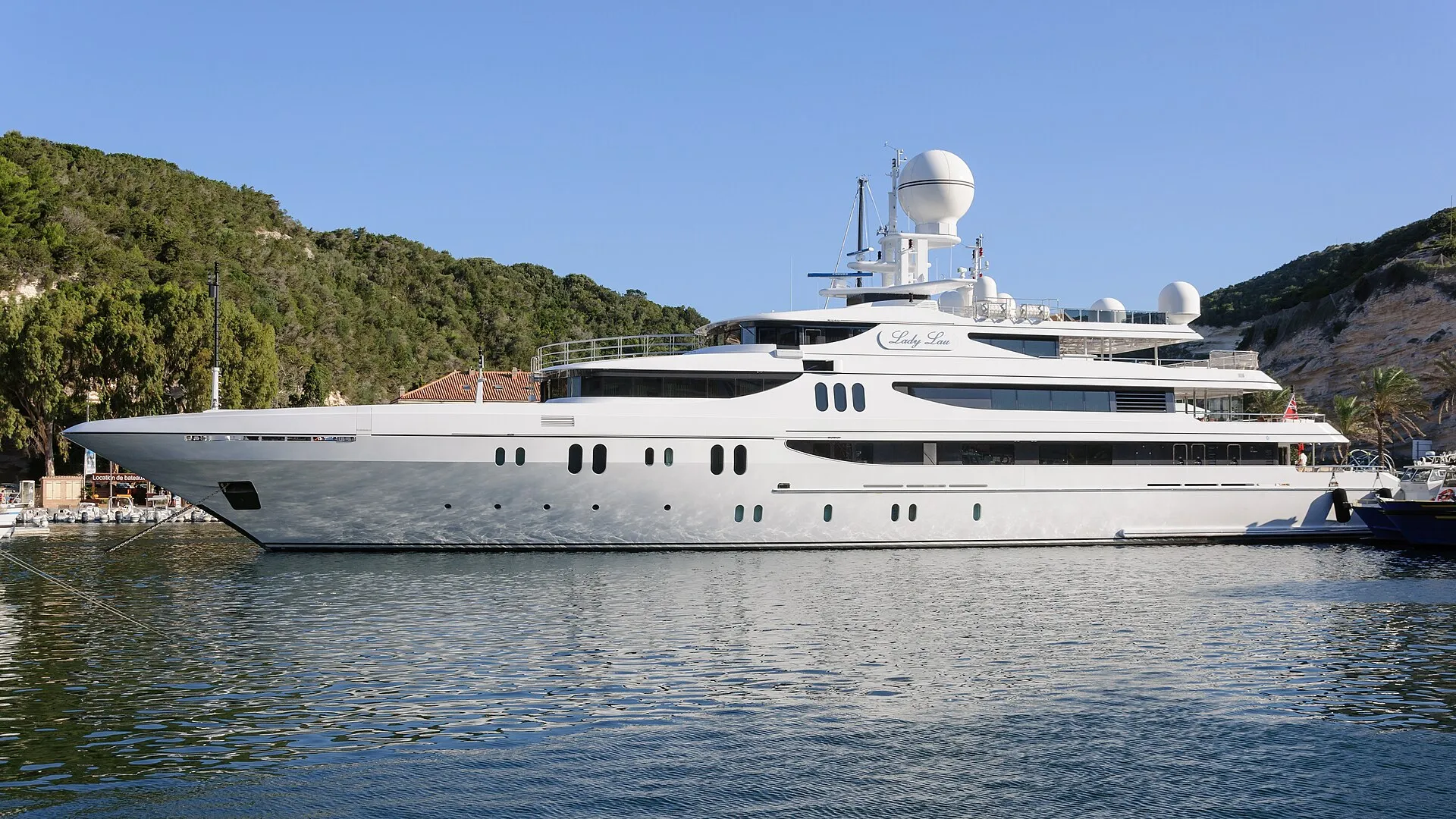
The ballast keel gives the yacht its stability and counteracts heeling under sail, and its joint with the hull carries enormous, varying loads. Keels are made of lead or cast iron and bolted to the hull through a reinforced area of the bottom (the keel stub or a moulded matrix). The commonest problems are corrosion of cast iron, cracks at the keel-hull joint (the so-called keel smile), corrosion of the keel bolts and damage after going aground. Given the safety implications and the forces involved, refitting a keel is a job for the experienced or one done under a professional's supervision.
The keel smile is a horizontal crack or gap in the gelcoat/sealant at the keel-to-hull joint, resembling a smile. It forms when the joint works under load, the sealant cracks and lets water between keel and hull. The crack itself may be cosmetic, but it can also signal loose keel bolts or damage to the laminate around them. That is why the appearance of a smile always calls for checking the bolt torque and the state of the joint, not just filling the crack.
Corrosion affects both the ballast itself and the fastenings. A cast iron keel rusts, and the corrosion products push the coatings off and enlarge the damage — it needs cleaning back to sound metal, corrosion protection (an epoxy/zinc primer, for example) and rebuilding of the coatings. Keel bolts and their stainless nuts can suffer crevice corrosion in a wet bilge; their condition is assessed visually and, if in doubt, they are removed for inspection. Corroded keel bolts are a serious hazard, because they hold many tonnes of ballast.
The joint is refurbished with the yacht dry and well supported, usually with the keel resting on the ground or taking no load. After checking and, if needed, tightening or replacing the keel bolts (to the torque the maker specifies), the joint gap is cleaned of old sealant. The surfaces must be dry, clean and degreased. The joint is sealed with a durable, flexible compound or filler chosen for the purpose, giving watertightness and some tolerance of movement.
With damage from going aground, the scope can be far greater: cracks in the laminate around the keel matrix, damage to the keel stub, deformation. Such damage needs structural assessment, often reinforcing laminate from inside the bilge and rebuilding the area around the bolts. Ignoring it risks progressive degradation and, in the worst case, losing the keel. That is another reason to bring in a specialist, and possibly a surveyor, with any serious symptoms.
Once sealed and cured, the coatings are rebuilt: a full anti-corrosion system on the cast iron, smoothing and a barrier coat at the joint, and antifouling over everything. The keel fairing (the joint with the hull) should be smooth, so that it does not create turbulence or trap water. After launching it is worth checking that the joint is tight and watching whether the smile comes back. Keep a record of the bolt tightening torques and the work carried out.
Safety here is literal: a keel often weighs hundreds of kilos or tonnes, so the boat's support must be secure and working under the keel demands particular care. When sanding cast iron and coatings, wear a P3 mask, goggles and gloves, and dispose of the dust and waste (especially from lead) as the regulations require — lead is toxic. Do not work alone with heavy components or when lifting the hull. A sound keel-to-hull joint is an absolute safety fundamental, so improvisation and postponed repairs are not tolerated here.
Material prices — products and options
Indicative prices in EUR (incl. VAT), as of July 2026. Products widely available in Europe; prices depend on the shop, the pack size and consumption. The links lead to example shops that ship across the EU. Dollar amounts are converted at 1 EUR = 1.1622 USD (ECB, 7 September 2026) and rounded — treat them as a rough guide, not a price in a US shop. Imperial values in brackets are conversions of the metric figure.
Epoxy / zinc anti-corrosion primer for metal
- Zinc Primer Spray — zinc primer in a can
budget local cathodic protection on cleaned cast iron, 400 ml (14 fl oz)€11 (≈$13) - International — VC Tar2
two-pack epoxy primer for steel, cast iron, GRP and wood; high-build, anti-osmosisfrom €45 (≈$52) - Hempel — Light Primer
high-build two-pack epoxy primer under antifoulingfrom €25 (≈$29) - International — Interprotect
premium two-pack epoxy barrier primer, 2.5 l (0.7 US gal)from €128 (≈$149)
Epoxy filler and glass cloths for reinforcement
- West System — 105 resin + 205 hardener
basic epoxy set for laminating and repair pastes, 1.2 kg (2.6 lb)€71 (≈$83) - West System — 406 Colloidal Silica
thickening additive for mixing your own epoxy filler/adhesive€16 (≈$19) - International — Watertite
ready-mixed two-pack epoxy filler, waterproof, non-shrinking — above and below the waterlinefrom €25 (≈$29) - Seatec — glass cloth 200 g (7 oz)/m²
cloth (roving) compatible with epoxy, for reinforcing the ballast area, per m²from €10 (≈$12) / m² - Seatec — glass mat 300 g (11 oz)/m²
mat for laminating (with polyester resin), per m²from €7 (≈$8) / m²
Sealant for the keel-to-hull joint
- Sika — Sikaflex-291i
all-purpose flexible polyurethane sealant, 300 ml (10 fl oz)from €9 (≈$10) - Sika — Sikaflex-292i
structural adhesive sealant of high strength for loaded joints, 300 ml (10 fl oz)€21 (≈$24) - Pantera — MS-3000/40
MS polymer adhesive sealant, an isocyanate-free alternative€18 (≈$21)
Keel bolts / nuts (stainless steel) and a torque wrench
- A4 (AISI 316) bolts, nuts and washers
stainless keel bolts as original — chosen to the yacht builder's specificationabout €3–20 (≈$3–23) / pc - Torque wrench (40–210 Nm, for example)
for tightening the bolts to the torque the maker specifiesabout €40–120 (≈$46–139)
Grinder, wire brushes, abrasive paper for metal
- Angle grinder + discs / wire brushes
for cleaning cast iron and coatings back to sound metalabout €40–120 (≈$46–139) - Abrasive paper / discs (P60–P180)
for metal and for smoothing the joint areaabout €10–30 (≈$12–35) / set
Barrier coat and antifouling
- International — Interprotect (barrier coat)
epoxy anti-osmosis barrier before the antifouling, 2.5 l (0.7 US gal)from €128 (≈$149) - International — Boatguard 100
budget hard/self-eroding antifouling, 2.5 l (0.7 US gal)from €30 (≈$35) - Hempel — Mille NCT
self-polishing antifouling for sailing boats (GRP, wood, steel), 750 ml (25 fl oz)from €39 (≈$45) - International — Cruiser 250
premium self-polishing antifouling, salt and fresh water, 2.5 l (0.7 US gal)from €46 (≈$53)
Secure supports / stands for the hull
- Boat stands / hull supports
adjustable stands for supporting the yacht securely while working under the keelabout €60–150 (≈$70–174) / pc
P3 mask, goggles, gloves; containers for waste (lead)
- Half mask with a P3 filter (3M, for example)
respiratory protection when sanding cast iron/lead and coatingsabout €25–60 (≈$29–70) - Safety glasses + nitrile gloves
protection of eyes and hands when working with resin and dustabout €5–20 (≈$6–23) - Containers / bags for hazardous waste (lead)
for safely collecting lead dust and waste as the regulations requireabout €5–15 (≈$6–17)