Fuel lines and yacht hoses — replacement
Safe replacement of fuel hoses: the right standards, clamps, water separator and leak checks in diesel and petrol systems.
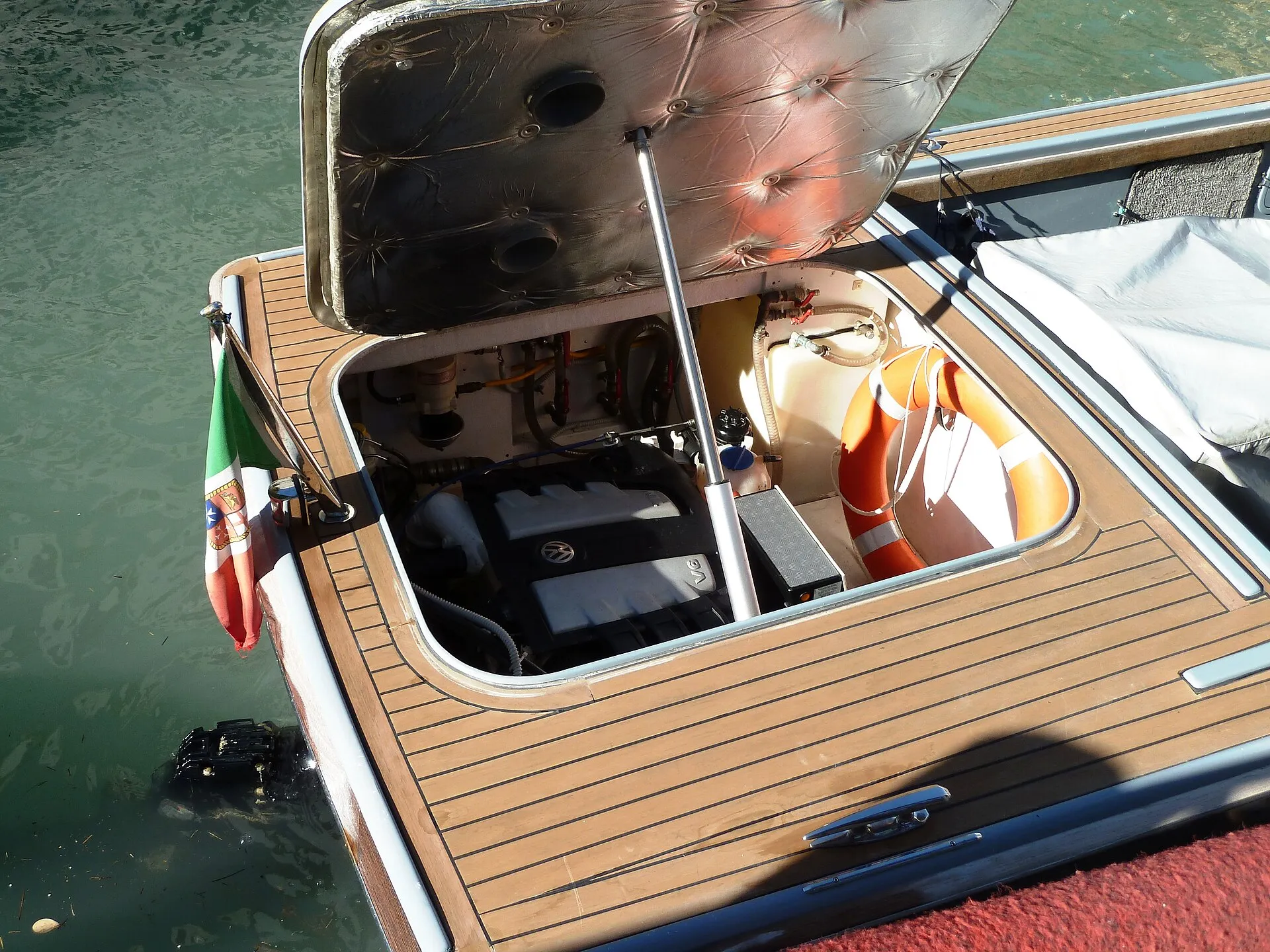
The fuel system is one of the most safety-critical installations on a yacht, because a leak risks fire or explosion, particularly with petrol engines. Over time rubber hoses harden, crack and let vapour through, while the inner layers flake off and block the filters. That is why fuel lines are treated as a consumable and replaced after a set number of years, rather than waiting for a leak. Any work on fuel demands good ventilation, no source of ignition and an extinguisher to hand.
Choosing the right hose is crucial. Use only hose certified for marine fuel — many countries require standards such as ISO 7840 (fire-resistant A1 hose) or SAE J1527, resistant to fire and to vapour permeation. An ordinary garden hose, an automotive fuel hose or an oil line is not fit for the job and is dangerous. Match the diameter and type of hose to the fuel (diesel or petrol) and to the run — the feed, the tank filling line and the vent all call for different hose.
Plan the job before you take anything apart, to limit spilt fuel. Close the shut-off valve at the tank, have a container and sorbent ready for the fuel left in the lines, and label the hose ends so you can put it all back correctly. The old hose is often stuck fast on the spigots — cut it carefully, without damaging the metal outlets of the tank and filter. Dispose of the used fuel and saturated sorbents according to the regulations; never tip them overboard.
The joints must be secure and tight. Fix fuel hoses with proper stainless steel clamps, and on critical runs use two clamps at each end. Do not use tape or adhesive to seal threads — for threaded fuel joints use a suitable fuel-resistant paste or tape. Route the hoses so that they cannot chafe on sharp edges or hot engine parts, and support them with clips to eliminate vibration.
A water separator with a filter (a Racor type, for instance) is an essential part of a diesel installation. Condensed water and contaminants collect at the bottom of the tank and can stop the engine at the worst possible moment. When you replace the hoses, check and replace the filter element, drain the water from the separator and check that its lid seals. It is worth adding a pre-filter ahead of the lift pump if there is none, as it protects the expensive injection equipment.
Do not forget the vent and the filling line. The vent hose must be clear and led so that water cannot get into the tank, and the filler sealed so that rain and spray do not contaminate the fuel. Check the bonding of the metal filler and the tank where it is required (especially with petrol), because static charge while refuelling is a real hazard. Check the state of the shut-off valve and the fuel level sender too.
When the work is done, carry out a careful leak test. Open the valve, fill the system and look at every joint with the engine stopped and then running — look for damp patches and any smell of fuel. After it has run briefly, retighten the clamps, because rubber settles. Note the date the hoses and filter elements were changed and the hose standard used, so that the next inspection is easy to plan.
Material prices — products and options
Indicative prices in EUR (incl. VAT), as of July 2026. Products widely available in Europe; prices depend on the shop, the pack size and consumption. The links lead to example shops that ship across the EU. Dollar amounts are converted at 1 EUR = 1.1622 USD (ECB, 7 September 2026) and rounded — treat them as a rough guide, not a price in a US shop. Imperial values in brackets are conversions of the metric figure.
Certified fuel hoses
- A1 fuel hose (ISO 7840 / SAE J1527)
fire-resistant fuel hose; 6–16 mm (0.24 in–0.63 in) dia.; by the metre€6–18 (≈$7–21) / m - Vetus — FUHOSE fuel hose
certified fuel hose; various diameters€8–20 (≈$9–23) / m - Gates — reinforced fuel hose
high-quality fuel hose; 8 mm (0.31 in) dia.€7–16 (≈$8–19) / m
Separators and fuel filters
- Racor — water separator with filter
fuel filter-separator (the 500FG series, for example); with a bowl€90–260 (≈$105–302) - Racor — filter elements (2/10/30 µm)
replacement elements for the separator; each€12–35 (≈$14–41) - CAV / Volvo — additional fuel filter
in-line or pre-filter; per piece€8–30 (≈$9–35) approx.
Clamps, valves and seals
- AISI 316 hose clamps
stainless clamps for fuel hoses; each€2–6 (≈$2–7) - Fuel shut-off valve + hose clips
a valve on the tank and clips to route the hose; set€15–50 (≈$17–58) approx. - Fuel-resistant thread paste/tape
sealing threaded joints; pack€6–15 (≈$7–17)
Safety and sorbents
- Fuel sorbent (mats/granules)
catching spills while you work; pack€10–30 (≈$12–35) approx. - Fire extinguisher + gloves and safety glasses
fire and safety equipment for working with fuel€25–60 (≈$29–70) approx.