Antifouling — choosing and applying bottom paint
How to choose and apply antifouling, called bottom paint in the US — coating types (ablative, hard), hull preparation and safe application.
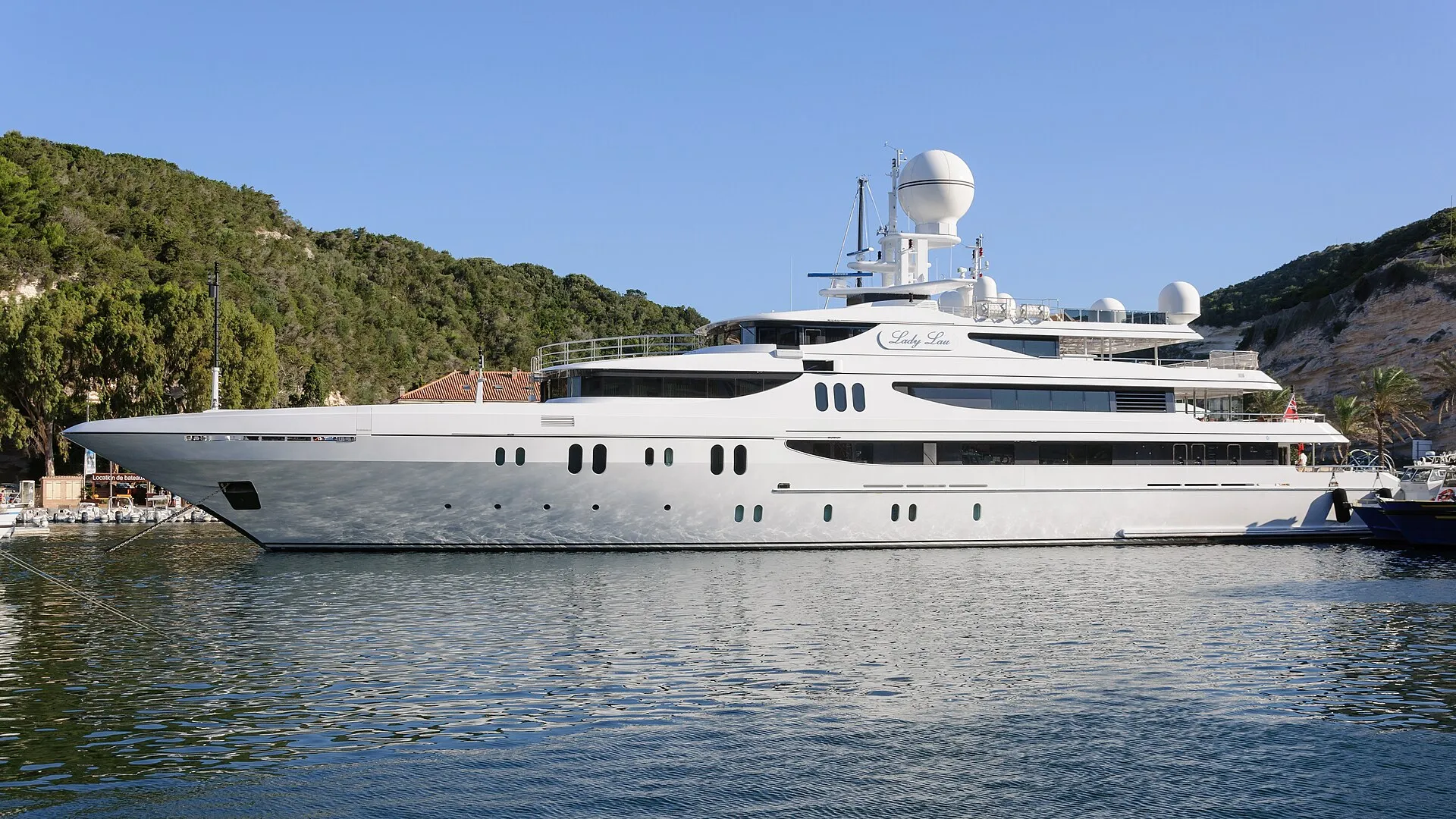
Antifouling is a coating that protects the underwater part of the hull from growth: weed, barnacles, molluscs and bacterial biofilm. Fouling increases drag, cuts speed and raises fuel consumption, and in extreme cases damages coatings and encourages corrosion of fittings. The coating works by slowly releasing biocides (usually copper compounds) or by a self-eroding mechanism that washes the growth away. The choice depends on the water (fresh or salt), how hard the fouling pressure is, the boat's speed and whether it stays afloat all season.
The basic division is between ablative (self-eroding) and hard (contact) coatings. Ablatives gradually wear away with the boat's movement and the water, exposing fresh biocide — they are convenient, do not build up thickness and suit boats of moderate speed and those lifted out every season. Hard coatings form a durable film with a smooth surface that can be burnished, which suits fast motorboats and racing yachts but needs regular cleaning. For fresh water and trailered boats there are lighter coatings matched to lower fouling pressure.
Surface preparation decides the durability. Old, flaking antifouling must be sanded down or removed, and incompatible layers separated with the primer the maker recommends. New gelcoat has to be keyed and primed, often over an epoxy barrier coat protecting against osmosis. Always check the compatibility of the old and new coatings in the maker's tables — incompatible systems can wrinkle or lift.
Apply it in the right conditions: temperature and humidity within the maker's range, a dry surface, no risk of rain. Antifouling usually goes on with a short-pile roller in two coats, with an extra, reinforced coat along the waterline and the leading edges of the keel and rudder, where fouling is worst. Observe the overcoating time and the time to launching given on the tin — launching too soon weakens the effect. Paint the hidden areas too, such as the zone under the keel supports, by moving the boat or painting after it has been shifted.
Safety matters particularly here, because biocides are toxic. Work in nitrile gloves, goggles, a coverall and a mask with a filter against fumes and dust; when sanding old antifouling, a P3 mask and dust extraction are compulsory, as the dust contains heavy metals. Dispose of waste, used paper and leftover paint according to local regulations — they must never be washed into the ground or the water. Many ports and countries restrict antifouling composition, especially for fresh water.
At the end of the season it is worth looking at the state of the coating: even wear on an ablative shows the choice was right, while rapid fouling suggests changing the product or the coating scheme. Note the maker, the colour and the number of coats, so that next year you keep compatibility and control the thickness. Too many layers built up become brittle and flake off, so every few years it is worth taking them back to the barrier coat. Well-chosen and correctly applied antifouling means less drag, a cleaner hull and lower running costs.
Before buying, check your choice against the maker's selection table for your waters and type of boat — the differences between ranges can be significant. If you are changing the type of coating (from hard to ablative, say), make sure you use the recommended tie coat. For boats that lie unused for long periods in warm salt water, choose products with a higher biocide content and stronger action. Planning ahead lets you match the application to a suitable window before launching.
Material prices — products and options
Indicative prices in EUR (incl. VAT), as of July 2026. Products widely available in Europe; prices depend on the shop, the pack size and consumption. The links lead to example shops that ship across the EU. Dollar amounts are converted at 1 EUR = 1.1622 USD (ECB, 7 September 2026) and rounded — treat them as a rough guide, not a price in a US shop. Imperial values in brackets are conversions of the metric figure.
Antifouling — ablative or hard coating
- Seajet — Coastal 037
budget hard antifouling, fresh and salt water, 0.75–2.5 L (0.2 US gal–0.7 US gal)€31–75 (≈$36–87) - Seajet — Samurai 031
self-polishing ablative, universal, 0.75–2.5 L (0.2 US gal–0.7 US gal)€33–80 (≈$38–93) - International — Cruiser 250
ablative for moderate fouling pressure, 0.75–2.5 L (0.2 US gal–0.7 US gal)€40–95 (≈$46–110) - Seajet — Platinum 039
premium, self-polishing, multi-season, all waters, 2.5 L (0.7 US gal)€126–150 (≈$146–174)
Primer / tie coat
- Hempel — Underwater Primer
single-pack underwater primer / tiecoat under antifouling, 0.75–2.5 L (0.2 US gal–0.7 US gal)€20–55 (≈$23–64) - International — Primocon
single-pack primer/barrier under various antifoulings, 0.75–2.5 L (0.2 US gal–0.7 US gal)€35–120 (≈$41–139) - Hempel — 2-Component Conversion Primer
premium, two-pack epoxy barrier/tie coat€49–90 (≈$57–105)
Abrasive paper and a sander with extraction
- Mirka — abrasive paper / discs P80–P180
hook-and-loop discs, pack of 50€15–35 (≈$17–41) - Mirka DEROS / Bosch — random orbital sander with extraction
sander with dust extraction (heavy metals)€90–450 (≈$105–523)
Short-pile rollers, trays, brushes
- SVB — roller + handle + tray set for antifouling
ready-made starter set€3–6 (≈$3–7) - SVB — PU foam roller for antifouling
smooth finish, replaceable sleeve€1–3 (≈$1–3) / piece - SVB — set of 5 PU foam rollers
for single-pack paints, spare set€20 (≈$23)
Masking tape for the waterline
- 3M — masking tape / Painter's Tape (SVB)
a precise waterline edge, various widths€5–12 (≈$6–14) / roll
Protective equipment (P3 mask, gloves, goggles, coverall)
- SVB — clothing and protection for refits
coveralls, goggles, respirators, gloves€10–40 (≈$12–46) - 3M — half mask with P3 filters (6000/7500 series)
protection against heavy metal dust and fumes€25–60 (≈$29–70)
Cleaner / degreaser
- International — Super Cleaner
removes dirt and wax before painting, 500 ml (17 fl oz)€11 (≈$13) - Yachticon — GRP Super Cleaner
all-purpose cleaner for laminate and gelcoat€14 (≈$16) - International — Thinner No.1
thinner/cleaner for cleaning tools€10–20 (≈$12–23)
Containers for waste for disposal
- Compass24 — painting accessories and containers
sealed buckets/containers for dust and paint residues (hazardous waste)€5–20 (≈$6–23)
Local rules — approval is national
Antifouling is a biocidal product, and it is a national authority that approves it for sale. The same paint can be legal in one country and not allowed in the next, and is sometimes approved only for part of the waters of a single country. Before you buy, check the list of products approved where your boat lies — not where the shop is.
Sweden shows how far that split can go. Kemikalieinspektionen separates paints intended for ships from those for leisure boats; the ship paints must not be used on leisure boats. Approvals for leisure boats are issued separately for the east coast (from Örskär to Trelleborg), for the west coast (from Trelleborg to the Norwegian border), or for both. For boats kept mainly in the Gulf of Bothnia north of Örskär and in fresh water there is no approved antifouling product at all — what is left is mechanical cleaning and biocide-free coatings. Every approved product carries a four-digit registration number on its Swedish label; without that number the paint is not approved for sale in Sweden.
In other countries the dividing line runs differently, but the principle is the same: what decides is the national register of biocidal products, not what a mail-order shop will send you. Source: Kemikalieinspektionen — Regler för båtbottenfärger (accessed 8 September 2026).
Common questions
How many coats of antifouling do I need?
The number of coats and the dry film thickness come from the data sheet for the specific paint — that decides it, not habit. In practice you apply two coats over the whole hull and a third where the coating wears fastest: the waterline, leading edges, rudder and skeg.
How long after antifouling can you launch?
Every product has its own launch window: a minimum drying time before immersion and a maximum time after which the coating loses its effect. Both are on the tin and in the data sheet, and going past the upper limit usually means adding another coat before you launch.
Can you apply bottom paint without sanding?
Only if the old coating is sound, is not flaking and is compatible with the new paint — then washing and degreasing is enough. If it is lifting, of unknown origin or of a different type, it has to be sanded off or separated with the tie coat the maker recommends, because incompatible systems wrinkle and lift.
How often should antifouling be renewed?
In waters with heavy fouling pressure the coating is renewed every season, each time the boat comes out of the water. Multi-season products last longer, but how long depends on how much the boat is used and how long it lies still in warm salt water.
Will the same paint work in any waters?
No. Makers publish selection tables separately for fresh and salt water and for different fouling pressures, and many ports and countries restrict what a coating may contain — especially in fresh water. Before you buy, check the selection table for your waters and the rules that apply there.