Oil or varnish on teak — comparing the methods
Oil, varnish or leave it bare? A comparison of teak care methods on a yacht, with the drawbacks, benefits and practice.
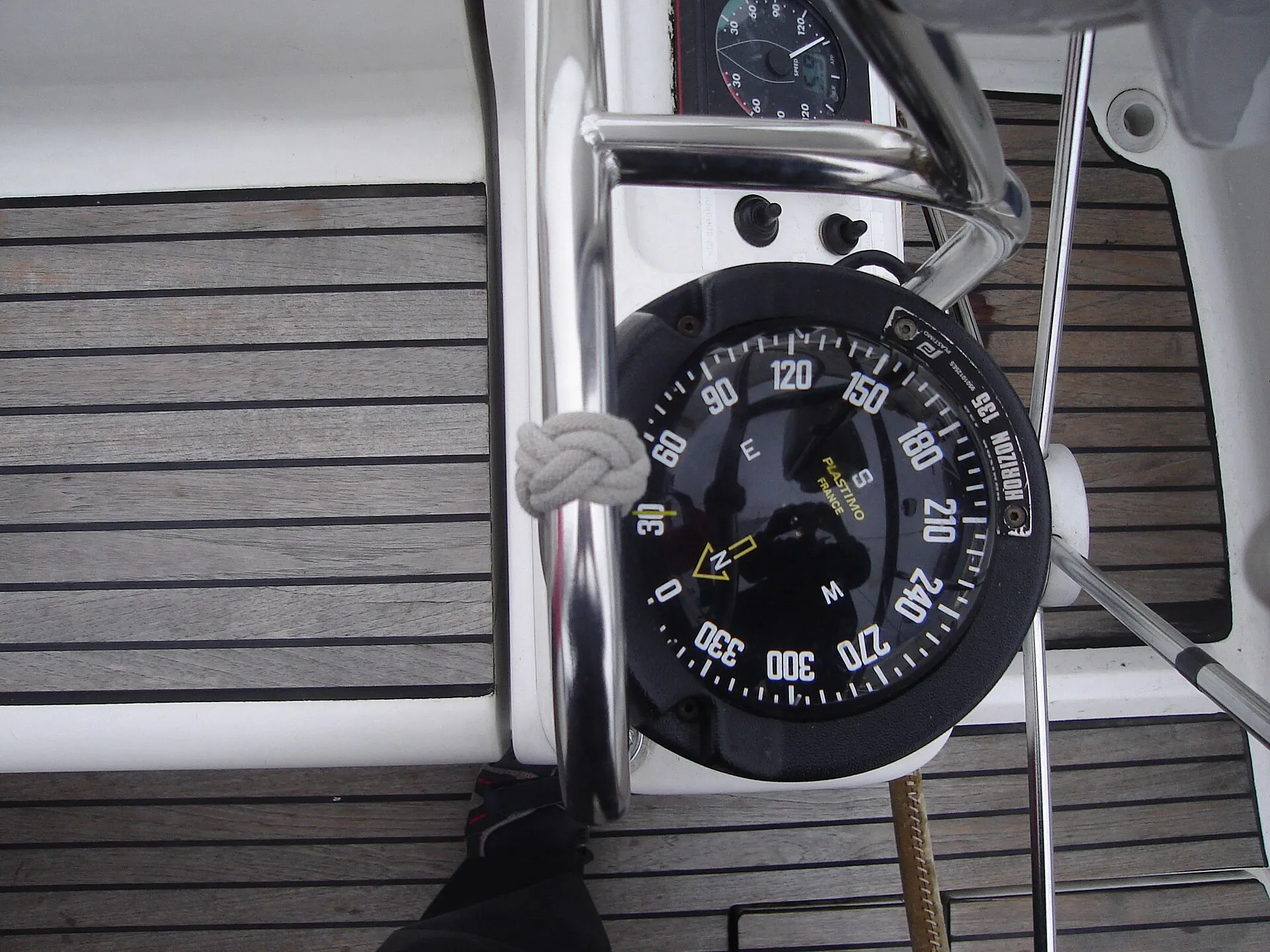
Teak is the classic wood for decks and trim on yachts, valued for its natural oil content and resistance to moisture. How to look after it has divided sailors for decades, because every method is a different compromise between looks and effort. The three main routes are: leaving the teak bare (letting it silver), oiling and varnishing. There is no single best answer — the choice depends on how much time you want to spend and what result you expect.
Bare teak is the least labour-intensive route, especially popular on planked decks. Without a coating the wood oxidises and takes on a silver-grey patina, which is natural and does the wood no harm. Care comes down to occasional, gentle washing. THE KEY POINT: wash teak across the grain with a soft brush and a mild product, never aggressively along the grain with a hard brush, because that washes out the soft layers, leaves the deck grooved and thins the planks.
Oiling brings back the warm, honey colour of the wood and is traditionally associated with well kept teak. Oil (teak oil, tung or linseed based) soaks into the wood and brings out the grain, giving a matt, natural finish. The drawback is durability: an oiled surface washes off and degrades quickly under UV, needing renewal as often as every few weeks in a busy season. Oil also encourages dirt to settle and, in damp conditions, mould to grow if it contains organic additives.
Varnishing (classic marine varnish or modern coatings) gives the most striking, deep gloss and the best protection from UV, as long as the film is undamaged. It is, however, the most labour-intensive route: it needs many coats (traditionally six to eight or more), sanding between them and absolute care. Once the film cracks and water gets under the varnish, the wood goes black and the repair means sanding back to bare teak. Varnish looks superb on vertical parts and trim, less so on a horizontal deck that is walked on.
Intermediate products are becoming more popular — synthetic impregnations and teak sealers, whose durability is closer to varnish while being easier to apply and refresh than oil. They give less gloss than varnish but hold the colour longer than classic oil and are more convenient to maintain. A sensible compromise for anyone who wants to keep the warm colour of teak without a varnishing marathon or weekly oiling.
When choosing, keep the realities of a planked deck in mind: there, bare teak with gentle washing is usually the best choice, because aggressive renewal of coloured coatings and hard scrubbing shorten the life of planks that are often already thin. For trim, guard rails, the cockpit and deck furniture, varnish or a sealer makes more sense, because they improve the look and are less exposed to foot traffic. Match the method to the function of the part, not only to taste.
Whichever method you choose, surface preparation decides the result: before oil or varnish, teak must be clean, dry and degreased, because the natural oils in teak make it harder for coatings to bond (sometimes a wipe with thinner just before application is needed). Be honest about how much time you will really spend — the worst option is varnish refreshed irregularly, which cracks and lets water in. Sometimes the wisest decision is simply to accept the beautiful, silver patina of bare teak.
Material prices — products and options
Indicative prices in EUR (incl. VAT), as of July 2026. Products widely available in Europe; prices depend on the shop, the pack size and consumption. The links lead to example shops that ship across the EU. Dollar amounts are converted at 1 EUR = 1.1622 USD (ECB, 7 September 2026) and rounded — treat them as a rough guide, not a price in a US shop. Imperial values in brackets are conversions of the metric figure.
Teak oils (the oiling option)
- Owatrol — Deks Olje D1, 1 L (0.3 US gal)
saturating oil, clear impregnation deep into the wood (premium)€35–45 (≈$41–52) (approx.) - International — Teak Oil, 500 ml (17 fl oz)
classic oil based on linseed and tung oil (mid-range)€14–22 (≈$16–26) (approx.) - Yachticon — teak oil
economical oil for routine teak care (budget)€10–18 (≈$12–21) (approx.)
Varnishes for wood (the varnishing option)
- Epifanes — Clear Varnish Gloss, 1 L (0.3 US gal)
traditional single-pack varnish, high gloss, tung oil (premium)€35–48 (≈$41–56) (approx.) - International — Schooner / Original varnish, 750 ml (25 fl oz)
marine varnish with a UV filter, high gloss (mid-range)€25–40 (≈$29–46) (approx.) - Le Tonkinois — oil-based varnish
natural oil varnish, easy to refresh (mid-range)€18–35 (≈$21–41) (approx.)
Synthetic sealers and impregnations (the middle option)
- Semco — Teak Sealer Natural, approx. 0.95 L (0.3 US gal)
synthetic matt sealer, keeps the natural colour of teak (premium)€45–65 (≈$52–76) (approx.) - Owatrol — Textrol / D2 topcoat
finishing coat applied over the saturating oil (mid-range)€30–45 (≈$35–52) (approx.) - Star brite — Teak Sealer
popular synthetic sealer with good durability (mid-range)€20–35 (≈$23–41) (approx.)
Surface preparation and accessories
- Teak cleaner + soft brush
mild cleaner (optionally two-part) for preparing the wood€12–30 (≈$14–35) (approx.) - Sandpaper in several grits + thinner
paper for preparation and between coats, thinner/degreaser€10–25 (≈$12–29) (approx.) - Good quality brushes, masking tape, gloves
brushes/applicators, tape and lint-free cloths€8–25 (≈$9–29) (approx.)
Price sources: compass24.com, svb24.com and the manufacturers' websites (Owatrol, Epifanes, International, Semco). Indicative prices — check the current ones with the seller.