Renewing the deck non-slip surface
Renewing deck non-slip: painting with added grit or TPE/EVA panels for safe grip.
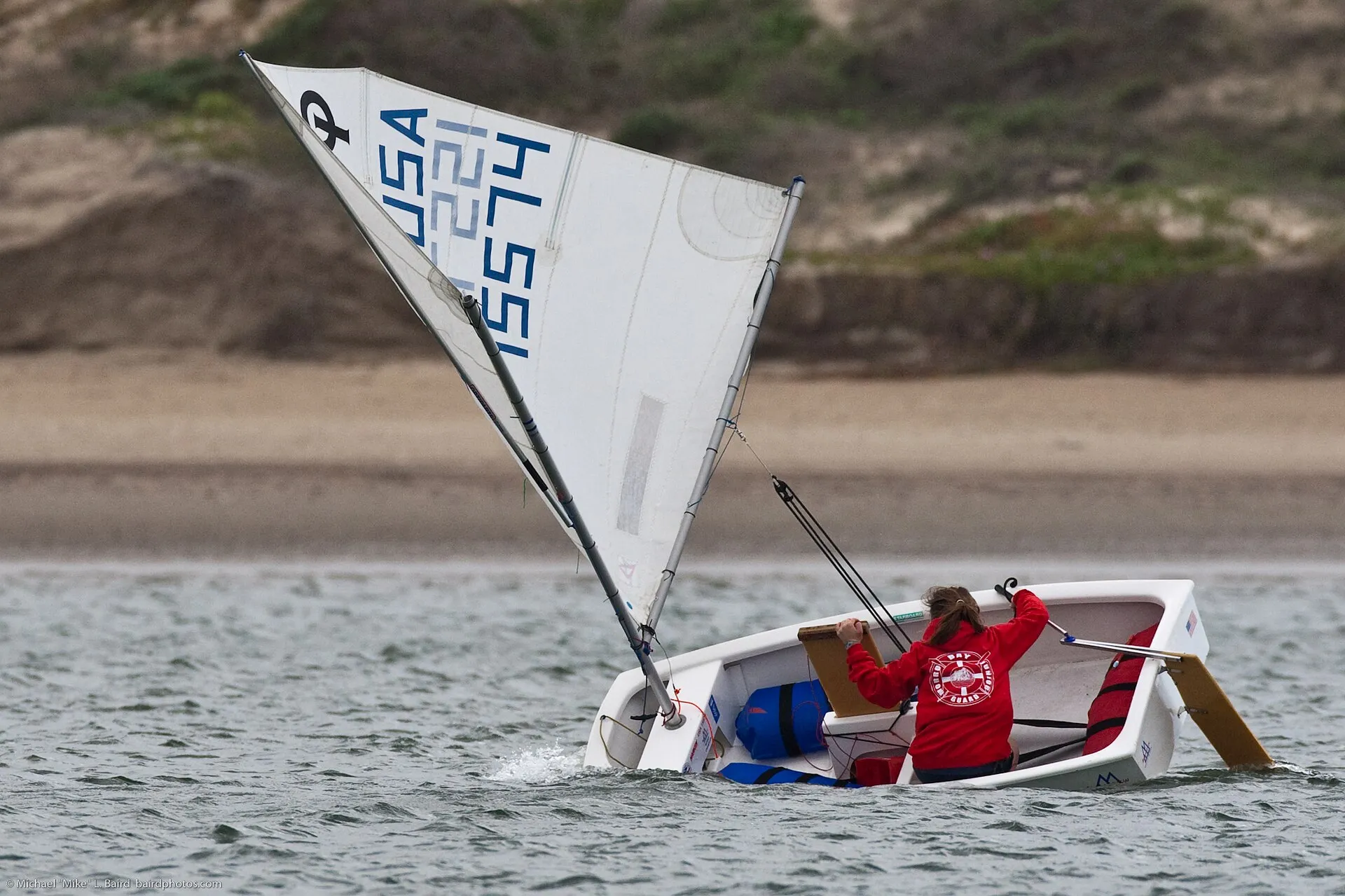
The non-slip surface of the deck is a safety item that is easy to forget until somebody slips. Over time the factory texture (moulded into the gelcoat) wears down, gets dirty and loses grip, especially when wet. Renewing it brings back sure footing and freshens up the look of the deck. There are several methods to choose from: painting with a non-slip additive, ready-made systems with a broadcast aggregate, and stick-on panels of TPE/EVA foam imitating teak.
Whatever the method, durability starts with preparing the substrate. Clean, degrease and key the deck thoroughly, removing every trace of wax, silicone and old coatings that spoil adhesion. Strip old, flaking coatings and repair damaged gelcoat and small cracks. Separate the non-slip areas from the smooth borders precisely with masking tape, because that is what decides how good the finished job looks.
The most popular method is painting with a two-pack deck paint (polyurethane or epoxy) plus a non-slip additive. The texture comes either from mixing ready-made granules into the paint (polymer beads or microballoons) or from broadcasting the grain onto the first, still wet coat and, once it has set, applying a sealing coat. Choose the grade to suit: finer is kinder to bare feet and knees, coarser gives stronger grip. The second coat binds the grain and evens out the colour.
An alternative is a complete non-slip system (such as KiwiGrip applied with a texturing roller), which creates a uniform, flexible and durable texture without broadcasting anything separately. These are simple to apply and easy to renew later. Choose a light colour, so the deck does not heat up too much. Coatings of this kind hide small irregularities well and are forgiving for amateurs, which makes them a popular choice for a DIY refit.
Stick-on panels of TPE/EVA foam imitating teak (synthetic teak systems) are increasingly popular. They are cut to size from a template and glued to the substrate — they give a soft, warm and very non-slip surface without the weight and maintenance of real teak. They need accurate fitting and a clean substrate, and the material costs more. It is a good-looking and comfortable solution, though it too ages under UV in time.
Which method to choose depends on the budget, expectations and the state of the deck. Painting with a broadcast aggregate is the cheapest and most versatile, texturing systems are the simplest to apply, and panels are the most comfortable in use. In every case it is worth doing a trial on a small area and checking the adhesion and the look. Remember that too aggressive a grain grips a shoe superbly but hurts knees and hands during deck work — it is a compromise between grip and comfort.
Safety and workmanship: do two-pack painting in a mask with an organic vapour filter, gloves and good ventilation, away from any source of ignition. Work at the temperature and humidity the maker specifies, avoiding dew and direct sun, which speeds up drying and makes the paint hard to spread. Remove the tape before the paint hardens completely, to get clean edges. After application, allow the full curing time before walking on the deck.
Material prices — products and options
Indicative prices in EUR (incl. VAT), as of July 2026. Products widely available in Europe; prices depend on the shop, the pack size and consumption. The links lead to example shops that ship across the EU. Dollar amounts are converted at 1 EUR = 1.1622 USD (ECB, 7 September 2026) and rounded — treat them as a rough guide, not a price in a US shop. Imperial values in brackets are conversions of the metric figure.
Non-slip paints and systems
- International — Interdeck
single-pack polyurethane deck paint with a mineral aggregate, matt; about 9 m² (97 sq ft)/l; 0.75 l (0.2 US gal)€35–48 (≈$41–56) - KiwiGrip (Pachena) — non-slip coating 1 l (0.3 US gal)
acrylic, applied with a texturing roller; ~2 m² (22 sq ft)/l; white/cream/grey€55–75 (≈$64–87) - Hempel — Non-Slip Deck Coat 0.75 l (0.2 US gal)
single-pack deck paint with a fine aggregate, matt€30–45 (≈$35–52) - Jotun / Awlgrip — deck paint with non-slip additive
alternative 1K/2K systems for the deck; 0.75–1 L (0.2 US gal–0.3 US gal) tins€30–60 (≈$35–70) approx.
Non-slip granules and additives
- International — Intergrip / non-slip additive
polymer granules mixed into two-pack paint; adjustable roughness€12–22 (≈$14–26) - Watco / Rustins — Anti-Slip Additive
fine granulate for any deck paint; tin€10–20 (≈$12–23) approx. - Glass / polymer beads for broadcasting
scattered onto the wet coat and sealed with a top coat€8–18 (≈$9–21) approx.
Synthetic teak / TPE-EVA panels
- Treadmaster — DP sheet (1200×900×3 mm (0.12 in))
rubber/cork composite, diamond or plain pattern; cut to size and glued€150–195 (≈$174–227) - EVA / TPE mat (synthetic teak) — sheet
self-adhesive foam imitating teak; soft and non-slip; 240×90 cm (3 ft)€90–160 (≈$105–186) approx. - Marinedeck / PlasTEAK — cork/EVA panel
system deck panels, cut to a template€100–200 (≈$116–232) approx.
Adhesives, sealants and preparation
- Sika — Sikaflex-291i 300 ml (10 fl oz)
flexible adhesive sealant for fitting panels and hardware€14–24 (≈$16–28) - Gelcoat / polyester filler for small repairs
filling cracks and dents before painting; 250–500 g (18 oz)€12–25 (≈$14–29) approx. - Precision masking tape + abrasive paper P120–P240
marking the edges and keying the substrate; set€8–20 (≈$9–23) approx. - Degreaser / cleaner (acetone, IPA)
removes wax and silicone before painting; 1 L (0.3 US gal)€8–15 (≈$9–17) approx.